Compared to incandescent, halogen and energy-saving lamps, LED is always a good choice, especially when you look at the consumption and lifespan of the lamp. But what else do you pay attention to when buying an LED lamp? The light source must of course fit in the fixture and provide the desired light. Consult the step-by-step plan of LED.nl and find out what you should pay attention to.
Step 1: the fitting
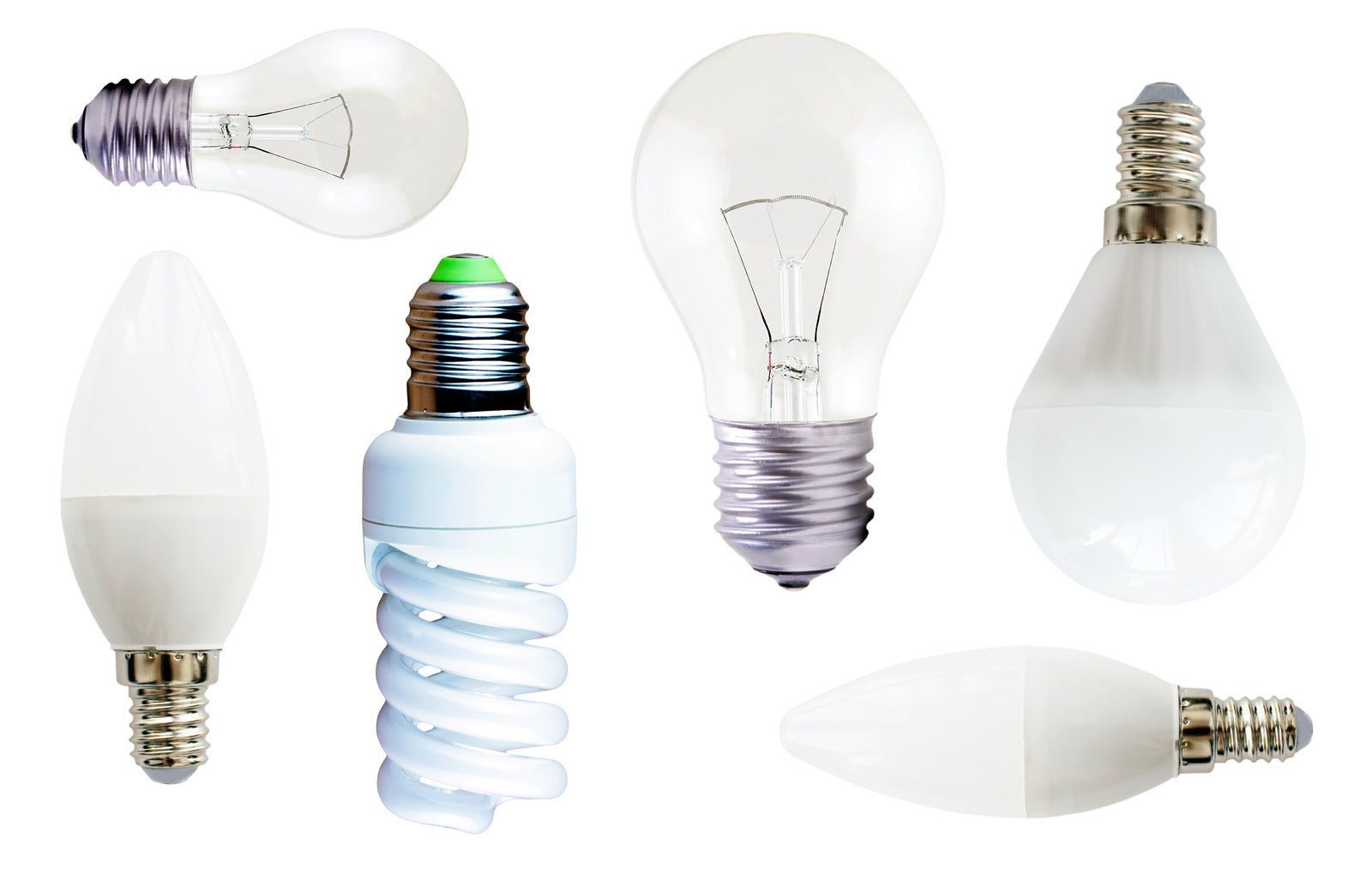
You connect the lamp via the fitting and the light source receives the required current to produce light. Not an unimportant part of a lamp. The easiest way to find out which fitting your new light source needs is to simply check your current lamp. The type of fitting is actually always stated on the lamp itself. Some common fittings are:
- E27 fitting (large fitting)
- E14 fitting (small fitting)
- GU10 fitting (bayonet lock with pins, for spotlights)
Step 2: the color temperature (= color of the light)
Also not an unimportant part when choosing a light source is the color temperature. When we talk about color temperature, this has nothing to do with how warm the lamp gets. LED lighting does not get hot at all. The color temperature has purely to do with how warm or cold the light looks. The color temperature is indicated in Kelvin (K). The higher the number of Kelvin, the whiter (colder) the light. The lower the number of Kelvin, the warmer (yellower) the light.

Plenty of color temperature choice
At LED.nl we offer LED lamps with different color temperatures. Cold white, neutral white, warm white or extra warm white: we have it all to offer. Are you looking for an economical alternative to your halogen lamp or incandescent lamp, without it being at the expense of the light output? Then we recommend an LED light source with a color temperature of around 2700K (warm white).
Step 3: the light intensity
Where colour temperature refers to the colour of the light, light intensity indicates the intensity (brightness). Light intensity is expressed in lumens (lm). The higher this number, the more light the lamp gives.
You can also go in all directions with us in terms of light intensity. The amount of lumens your light source needs to have depends on the size of the room in which the lamp is located. In general, 300 to 400 lumens per m² is sufficient for atmospheric dining room table lighting, but for kitchen or study lighting, 600 to 800 lumens per m² is recommended. You can of course always ask our specialists for advice if you want to know the perfect number of lumens for a specific room.
Step 4: Dimmable or non-dimmable?If you choose a dimmable lamp, you can adjust the light intensity yourself. Whether an LED lamp is dimmable , you can recognize by the icon next to it. |
 |
In order to actually dim a dimmable LED lamp , you must have a dimmer. If you previously used an incandescent or halogen lamp, it is not self-evident that your existing dimmer also functions in combination with an LED lamp. This has to do with the minimum load that the dimmer requires. For example, with a traditional dimmer this is 50W. If you then have, for example, 3 LED light sources of 5W each, you do not achieve the minimum load and they are not dimmable or they do not even burn at all. It is therefore smart to use an LED dimmer. LED dimmers already work at a minimum load of 1W, so you can also use them without any problems with 1 single LED light source.
Need help?
We hope this blog has made you a little wiser in the field of light sources and the different options. Do you still have questions or can we provide you with personal advice? Feel free to contact us via info@led.nl or call 085 23 90 555 .